.
.
.

About Tyvoria Drystok Manufacturing

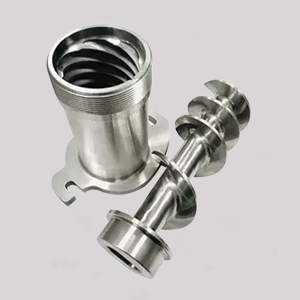
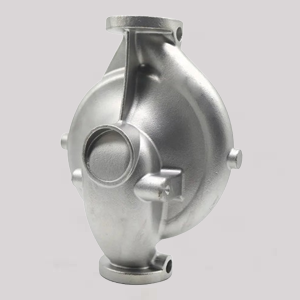
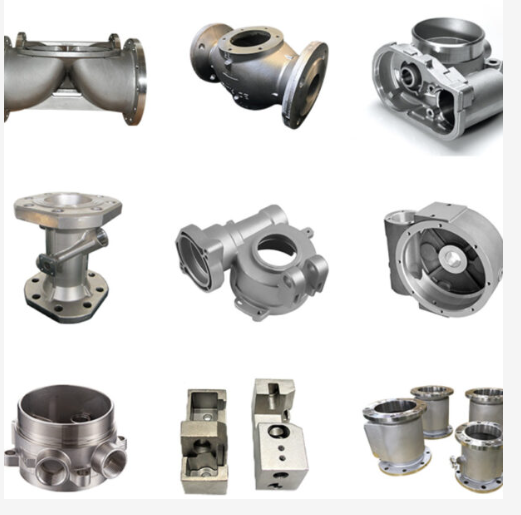
Tyvoria Drystok supplies precision metal components for industrial equipment, fluid control, automotive and custom engineering applications. Our six core product groups cover precision castings, valve and pump fittings, CNC-machined parts, customized components, auto parts and centrifugal castings. Production capabilities include carbon steel, stainless steel and alloy steel investment castings, together with secondary machining for dimensional accuracy and consistent finished surfaces.

We start by reviewing the drawing, material grade, tolerances, inspection criteria and service conditions. From there, our team coordinates tooling, casting, machining, surface treatment, dimensional verification and final documentation. This connected workflow gives customers one point of communication throughout development and repeat production. Tyvoria Drystok supports prototype evaluation, regular purchase orders, OEM programs and long-term component sourcing.
Manufacturing News and Technical Articles

Pipe Fittings: Advantages, Disadvantages, Manufacturing and Applications

Selecting pipe fittings should begin with a review of performance requirements, material options and production volume. The best manufacturing route depends on geometry, alloy, service loads, operating environment, inspection needs and expected order volume. The following guide reviews practical advantages, limitations, material choices and the typical production sequence for industrial buyers. What Are Pipe Fittings? […]

Electric Machine Parts: Advantages, Disadvantages, Manufacturing and Applications

Electric Machine Parts are important in modern manufacturing because buyers need reliable performance, repeatable dimensions, and materials matched to real service conditions. The following guide reviews practical advantages, limitations, material choices and the typical production sequence for industrial buyers. What Are Electric Machine Parts? Electric Machine Parts are structural, rotating, cooling, and protective components used […]

Fluid Equipment Parts: Advantages, Disadvantages, Manufacturing and Applications

Fluid Equipment Parts connects product design with practical production. A good specification considers function, service life, manufacturability, finishing, and quality control from the beginning. The following guide reviews practical advantages, limitations, material choices and the typical production sequence for industrial buyers. What Are Fluid Equipment Parts? Fluid Equipment Parts are components that contain, direct, meter, […]

Pneumatic Tool Parts: Advantages, Disadvantages, Manufacturing and Applications

Selecting pneumatic tool parts should begin with a review of performance requirements, material options and production volume. The best manufacturing route depends on geometry, alloy, service loads, operating environment, inspection needs and expected order volume. The following guide reviews practical advantages, limitations, material choices and the typical production sequence for industrial buyers. What Are Pneumatic […]

Earthmoving Machinery Parts: Advantages, Disadvantages, Manufacturing and Applications

Earthmoving Machinery Parts are important in modern manufacturing because buyers need reliable performance, repeatable dimensions, and materials matched to real service conditions. The following guide reviews practical advantages, limitations, material choices and the typical production sequence for industrial buyers. What Are Earthmoving Machinery Parts? Earthmoving Machinery Parts are structural, ground-engaging, hydraulic, and drivetrain components used […]

Mining Machinery Parts: Advantages, Disadvantages, Manufacturing and Applications

Mining Machinery Parts connects product design with practical production. A good specification considers function, service life, manufacturability, finishing, and quality control from the beginning. The following guide reviews practical advantages, limitations, material choices and the typical production sequence for industrial buyers. What Are Mining Machinery Parts? Mining Machinery Parts are heavy-duty wear and structural components […]

How Tyvoria Drystok Manages Production

1

Drawing Review for Customized Products

Customer drawings, samples and performance requirements are reviewed before production. Engineers confirm materials, tolerances, tooling, machining needs and inspection standards so Customized Products begin with a clear and practical manufacturing plan.

2

Material Selection for Precision Castings

Material grades are selected according to strength, corrosion resistance, temperature and application requirements. Chemical specifications and incoming materials are verified before Precision Castings move into tooling and controlled production stages.

3

Tooling Preparation for Precision Castings

Tooling and wax patterns are prepared to reproduce detailed geometry accurately. Process engineers control shrinkage allowances, gates and critical dimensions to support stable, repeatable Precision Castings throughout sample and mass production.

4

Controlled Pouring for Precision Castings

Ceramic shells are prepared, heated and filled under controlled conditions. Melting temperature, pouring practice and cooling time are monitored to help Precision Castings achieve sound structure, consistent dimensions and dependable mechanical performance.

5

Heat Treatment for Auto Parts

Selected Auto Parts receive controlled heat treatment to improve strength, hardness, toughness or wear resistance. Each cycle follows material requirements, with temperature records and verification checks supporting consistent component performance.

6

Surface Finishing for Customized Products

Customized Products can receive polishing, blasting, coating, plating or other specified finishes. Surface preparation and final appearance are checked carefully to meet functional, corrosion-resistance and presentation requirements for each project.

7

CNC Programming for CNC Machining Parts

Engineers prepare CNC programs, fixtures, tools and inspection points from approved drawings. This setup controls machining sequence and repeatability so CNC Machining Parts can meet dimensional, geometric and surface-finish requirements.

8

Precision Production of CNC Machining Parts

CNC Machining Parts are produced with controlled cutting parameters and in-process measurement. Operators monitor tools, datums and critical features to maintain stable tolerances, clean surfaces and repeatable quality across production batches.

9

Machining Valve & Pump Fittings

Valve & Pump Fittings are machined for accurate sealing surfaces, threads, bores and connection dimensions. Process checks help ensure reliable assembly, controlled flow paths and consistent fit within fluid-handling equipment.

10

Assembly and Joining for Auto Parts

Auto Parts that require welding, fastening or subassembly are completed under documented procedures. Connection strength, alignment and functional interfaces are checked to support safe installation and dependable service performance.

11

Dimensional Inspection and Quality Testing

Precision Castings, Valve & Pump Fittings, CNC Machining Parts, Customized Products and Auto Parts receive dimensional inspection and applicable material or performance testing before approval, with records prepared for customer review.

12

Final Packaging and Delivery Coordination

Approved components are cleaned, protected, labeled and packed according to size and transport requirements. The team coordinates documents and export delivery so all five product families arrive organized and ready for use.

Why Source Precision Components From Tyvoria Drystok?

  • Integrated Casting and Machining Support
  • Established Metal Manufacturing Experience
  • Engineering Review for Custom Projects
  • Direct Communication With the Manufacturer
  • Responsive Project and After-Sales Support